

Tarot Spreads
One-Card vs Three-Card Tarot: Which Spread Should You Use?
Choose between a one-card and three-card tarot reading based on the question, time available, uncertainty, and kind of next step you need.

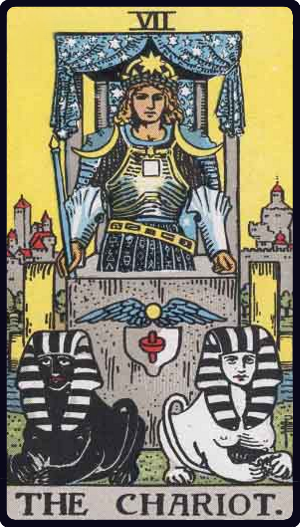

Use one card when you need one focus, one signal, or a daily action. Use three cards when the question contains movement, conflict, or a decision that needs context. More cards do not automatically create a better reading; the spread should match the complexity of the question.
Key takeaways
- One card is best for daily focus, a simple yes/no direction, or one controllable action.
- Three cards are better for situation–obstacle–advice, past–present–future, or choice–condition–next step.
- If the same question keeps expanding, rewrite it before adding cards.
- Card positions matter more than the raw number of cards.
When one card is enough
A one-card reading works when the user can name a single focus: today’s energy, the main obstacle, the healthiest next action, or the condition behind a yes/no answer. It is quick and easier to remember.
The limitation is context. One card may identify the central signal but cannot always separate what created it from what the user should do next.
What three cards add
Three positions create a relationship between symbols. A relationship question might use current energy, the other person’s visible signal, and the user’s next step. A career question might use pressure, available opportunity, and practical action.
The three-card spread is not automatically predictive. Its value comes from separating different parts of the question so the answer does not collapse everything into one vague message.
Do not add cards to chase certainty
When a reading feels uncomfortable, drawing more cards can become a way to search for a preferred answer. That usually creates conflicting signals. Stop when the spread has answered its defined positions.
If a real-world event changes, start a new reading with the new information. If nothing has changed, work with the first reading’s next action before drawing again.
A simple decision rule
Choose one card if the answer can fit into one sentence and one action. Choose three cards if you need to understand why the situation feels stuck, what is changing, or how two parts of the problem interact.
- Daily check-in → one card
- Quick yes/no with a condition → one card
- Relationship pattern → three cards
- Career or money decision → three cards
- Past–present–future timeline → three cards
Try this question free
Let the question choose the spread
Describe the real situation and POPTarot will keep the first spread free and match its positions to the question.
Start a free spreadFrequently asked questions
Is a three-card reading more accurate than one card?
Not automatically. Three cards provide more context, but a focused one-card question can be clearer than a poorly defined multi-card spread.
Can I use three cards for yes or no?
Yes, if each position has a clear role such as direction, condition, and advice. Do not count positive and negative cards without interpreting their positions.
How often should I draw a daily card?
Once per day is enough. Record the card and one action, then review the pattern over several days instead of redrawing immediately.